 Pin it
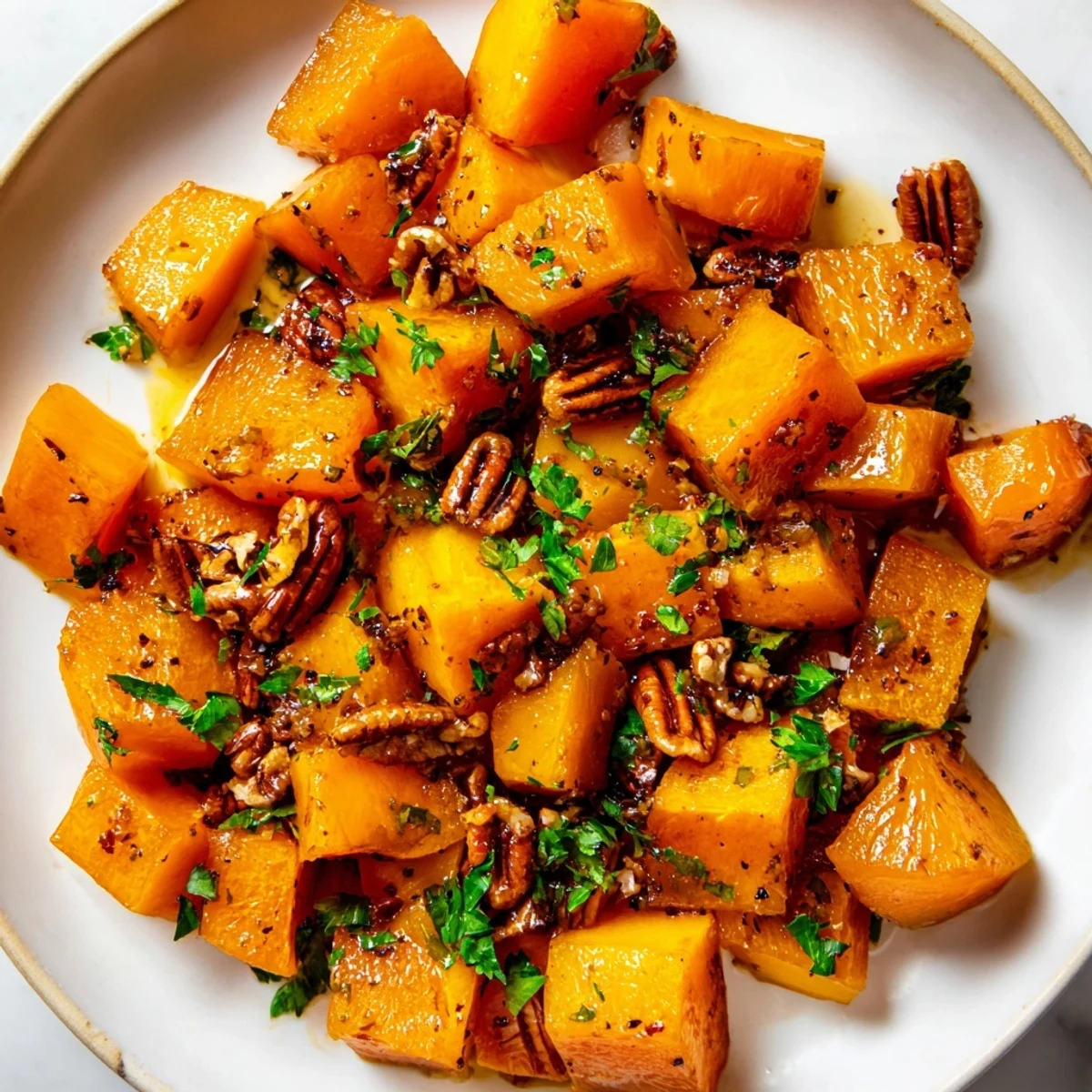
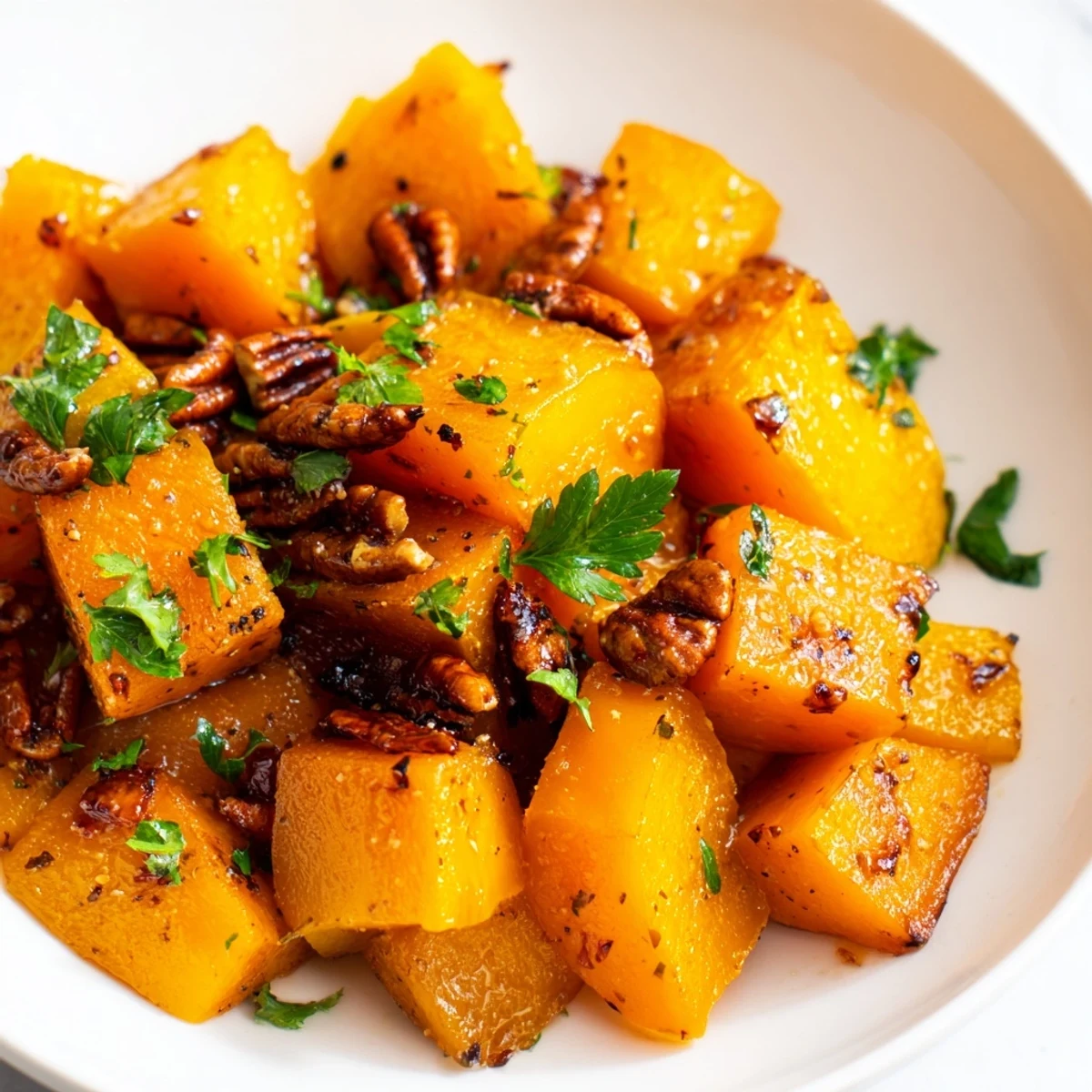
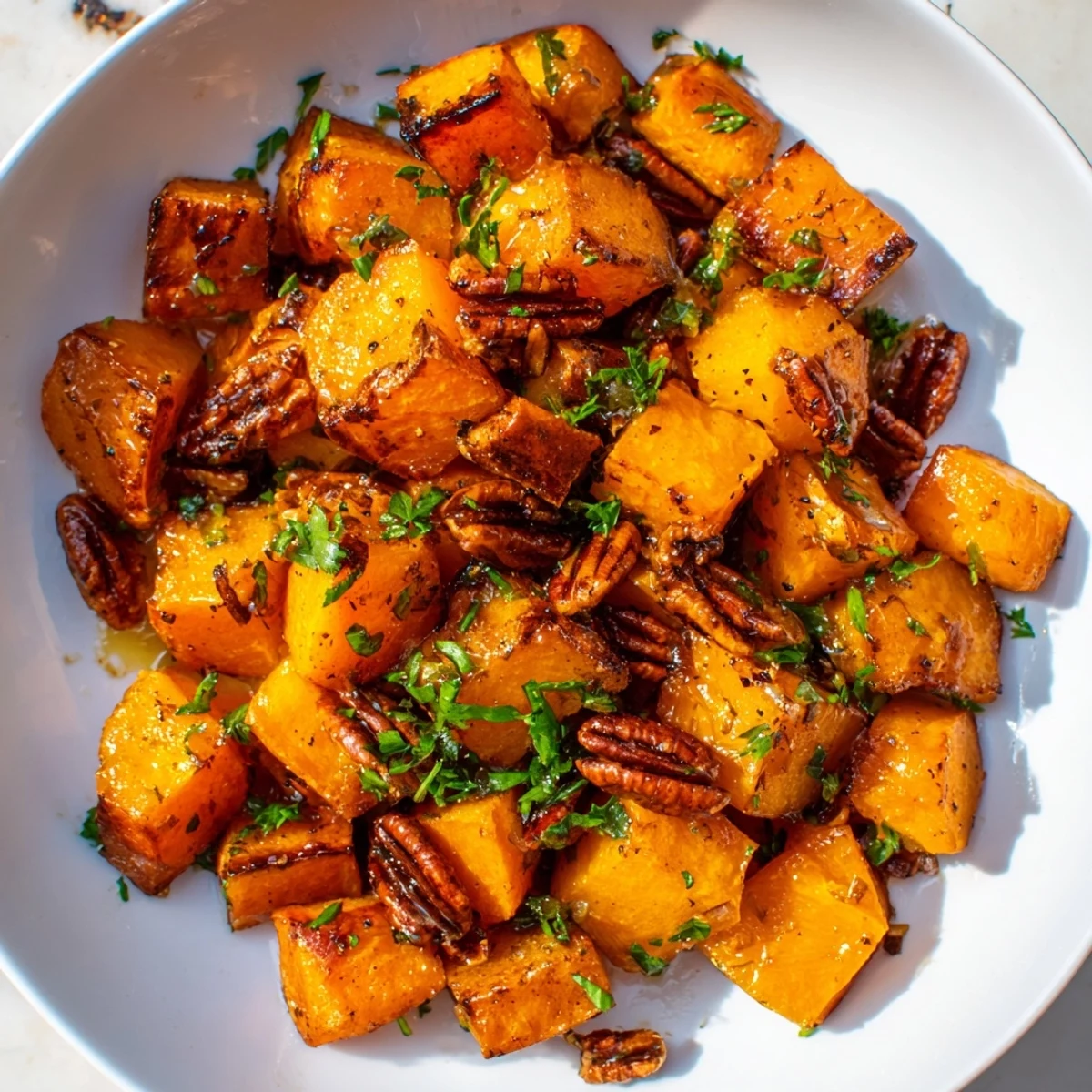
 This dish features tender chunks of butternut squash evenly coated in olive oil, maple syrup, salt, pepper, and optional cinnamon. Roasted at a high temperature, the squash caramelizes beautifully, creating a sweet and savory flavor profile. Garnished with fresh herbs and toasted pecans or walnuts, it offers an ideal balance of textures and tastes for cooler seasons. Simple to prepare and naturally gluten- and dairy-free, it's a wholesome and vibrant addition to your meal.
I discovered this recipe on a crisp autumn afternoon when my kitchen smelled like pure fall. There's something magical about roasting butternut squash until it caramelizes at the edges, then brushing it with maple syrup that catches the golden heat. It became the side dish I return to every November, the one that tastes like I actually know what I'm doing in the kitchen.
I remember the first time unexpected guests arrived and I had nothing prepared except half a butternut squash in my fridge. Thirty-five minutes later I pulled this from the oven, golden and fragrant, and watched their faces light up. That's when I knew this wasn't just a side dish—it was a rescue mission that tastes incredible.
Ingredients
- 1 medium butternut squash (about 2 lbs), peeled, seeded, and cut into 1-inch cubes: The size matters here—aim for pieces that are roughly the same so they roast evenly. If you're nervous about cutting it, microwave the whole squash for a few minutes first and it becomes way easier to handle.
- 2 tbsp pure maple syrup: Don't use the pancake syrup, I'm telling you. Real maple syrup is worth the extra dollars because it actually caramelizes and creates that glossy coat. It's the difference between good and unforgettable.
- 2 tbsp olive oil: This helps everything crisp up at the edges while staying tender inside. It's your secret weapon for that restaurant-quality finish.
- 1/2 tsp salt: Essential for bringing out the squash's natural sweetness and keeping it from tasting one-dimensional.
- 1/4 tsp freshly ground black pepper: The freshly ground part actually matters—it adds a brightness that pre-ground pepper just doesn't have.
- 1/4 tsp ground cinnamon (optional): I learned to include this even when I think I won't because it whispers in the background and makes people ask what the secret ingredient is.
- 1 tbsp chopped fresh parsley or thyme: For garnish—the green against that golden squash is beautiful and adds a fresh bite that cuts through the sweetness.
- 2 tbsp toasted pecans or walnuts: Optional but honestly, they add texture and richness that makes this feel more substantial. Toast them yourself if you have time and taste the difference.
Instructions
- Get Everything Ready:
- Preheat your oven to 425°F and line a large baking sheet with parchment paper. This temperature is hot enough to caramelize the edges while keeping the inside creamy. The parchment means zero cleanup and zero sticking—win-win.
- Make the Magic Coating:
- Grab your butternut squash cubes and get them in a large bowl. Drizzle with olive oil and maple syrup, then add salt, pepper, and cinnamon if you're using it. Toss everything together until every piece is coated in that glossy mixture. This is where the flavor happens, so don't rush it.
- Spread and Roast:
- Spread your squash in a single layer on that baking sheet—this is important because crowding the pan means steaming instead of roasting. You want air around each piece. Pop it in the oven and listen for that sizzle.
- The Turning Point:
- After about 15-17 minutes, open the oven and give everything a gentle stir or turn. You're looking for the edges to start turning deeper golden. This prevents the bottom from getting too dark while the tops catch up.
- The Final Stretch:
- Roast for another 15-18 minutes until the squash is fork-tender and those edges are caramelized and crispy. You'll know it's done when you can easily pierce a piece and the edges have that beautiful dark golden brown color. The smell alone will tell you it's perfect.
- The Finish:
- Transfer everything to a serving dish while it's still warm—this is when it looks its best. If you're using them, scatter your toasted nuts on top and sprinkle with fresh herbs. Serve while it's still warm enough to remind everyone why they love fall.
 Pin it
 I served this at a potluck once and ended up sharing the recipe with five people. What I didn't tell them was how many times I made it just for myself on quiet Sunday evenings, curled up with a book and a warm bowl of this. It became the dish that turned cooking from a chore into a moment of peace.
Keeping It Fresh
Leftovers actually taste even better the next day when the flavors have had time to settle in. Store them in an airtight container in the fridge for up to four days. If you want them warm again, reheat gently in a low oven so they don't dry out. You can also eat them cold straight from the container as a snack, which sounds weird until you try it.
Serving Ideas That Clicked
This side dish is incredibly versatile because it walks that line between sweet and savory so perfectly. Serve it alongside roasted chicken or pork and suddenly your dinner feels elevated. It also pairs beautifully with duck, and I've even served it with grilled fish where the slight sweetness complemented the richness beautifully. At Thanksgiving, it stands on its own as a vegetable dish, and honestly, it might overshadow the traditional sides because people actually want more of this.
When You're Missing Something
Don't have maple syrup? Honey works, though it's slightly less complex. Brown sugar mixed with a little water creates a decent glaze in a pinch. Missing the cinnamon? Nutmeg or ginger both work, or skip the spice entirely and let the maple shine. Can't find fresh herbs? Dried thyme works fine, just use less because it's more concentrated. The beauty of this recipe is that it's forgiving enough to work with what you have in your pantry.
- Toast your nuts yourself even if it takes five extra minutes—it completely transforms them from meh to magnificent
- If your squash keeps rolling around while you're cutting it, cut it in half lengthwise first for stability
- Don't be afraid of the higher oven temperature—it's exactly what you need for that caramelization magic
 Pin it
 This recipe taught me that the best meals don't require complicated techniques or a long ingredient list—they just need good ingredients treated with respect and a little bit of time in the oven. Make this, serve it, and watch people's faces light up.
Recipe FAQs
- → How do I prepare the butternut squash for roasting?
-
Peel, seed, and cut the squash into 1-inch cubes for even roasting and caramelization.
- → Can I substitute maple syrup with another sweetener?
-
Yes, honey can be used instead of maple syrup for a different but still sweet glaze.
- → What spices enhance the flavor of roasted squash?
-
Ground cinnamon adds warmth, while a pinch of cayenne or smoked paprika can add depth and subtle heat.
- → Are there any recommended garnishes?
-
Fresh parsley or thyme provide brightness, and toasted pecans or walnuts add a pleasing crunch.
- → How long should the squash be roasted?
-
Roast for 30 to 35 minutes at 425°F (220°C), turning once halfway through to ensure even cooking.
- → Is this suitable for gluten-free and dairy-free diets?
-
Yes, the ingredients used are gluten- and dairy-free, making it appropriate for those dietary needs.