 Pin it
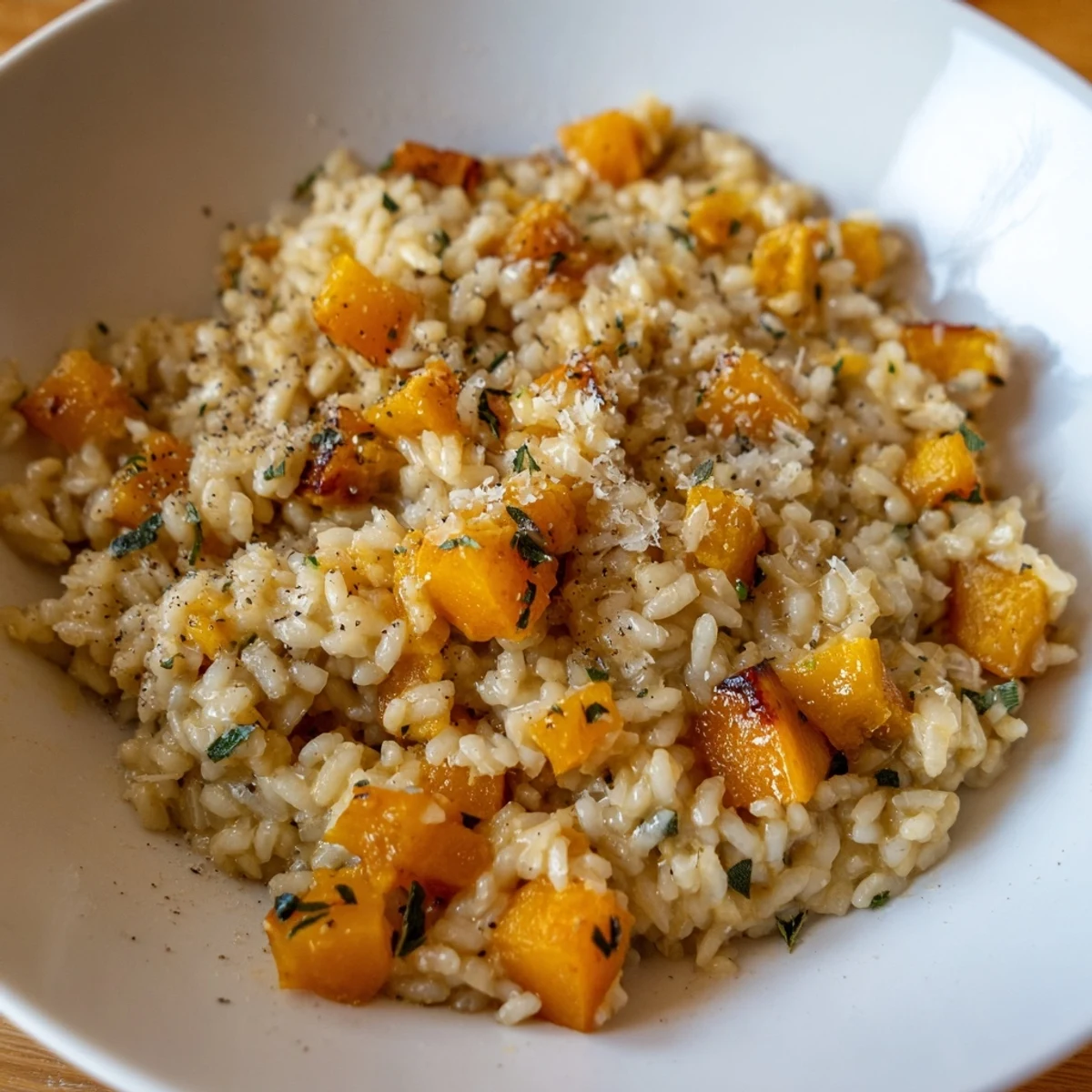
 This comforting dish highlights roasted winter squash combined with creamy Arborio rice and fresh herbs. Slow cooking with warm vegetable stock creates a silky texture, enhanced by butter and Parmesan for richness. Subtle hints of nutmeg and sage add warmth and depth. Ideal for a cozy meal, this flavorful blend balances sweetness of squash with savory elements, perfectly suited for vegetarians and adaptable to gluten-free diets.
I discovered the magic of winter squash risotto on a gray November afternoon when my kitchen felt too cold for anything light. I was craving something that would warm me from the inside out, and I remembered watching my Italian grandmother stir her risotto with such patience and care. That day, I roasted some butternut squash until it turned golden and caramelized, then folded it into creamy Arborio rice with sage and nutmeg. The moment that first spoonful touched my tongue, I understood why she always said risotto was more than a dish—it was a meditation, a way of showing love through stirring.
I made this for friends one winter evening, and I'll never forget how quiet the table became when everyone tasted it. No one reached for their phones or started a conversation—they just kept eating, savoring every spoonful. That's when I knew this wasn't just a recipe; it was the kind of dish that brings people together in that sacred way food sometimes does.
Ingredients
- 1 medium winter squash (butternut or acorn, about 1.5 lbs), peeled, seeded, and diced: The squash is the soul of this risotto—roasting it first brings out natural sweetness and creates those caramelized edges that add depth. I learned to cut it into small, even pieces so it cooks uniformly and breaks down slightly when stirred into the rice.
- 1 1/2 cups Arborio rice: This short-grain rice is essential because it releases its starch slowly, creating that signature creamy texture without becoming mushy. Don't try to substitute long-grain rice—it simply won't give you the silky mouthfeel that makes risotto special.
- 5 cups vegetable stock, kept warm: Temperature matters more than you'd think. Warm stock integrates into the rice smoothly, while cold stock will shock the rice and interrupt the cooking process. I keep mine in a separate pot on the back burner.
- 1/2 cup dry white wine (optional): It's truly optional, but it adds a subtle brightness and complexity. If you skip it, add an extra ladleful of stock instead—the risotto will still be delicious, just slightly less dimensional.
- 3 tbsp unsalted butter, divided: Butter is the secret to silkiness. Dividing it between cooking and finishing lets you build flavor gradually and ensures the final dish has that glossy, luxurious texture.
- 1/2 cup grated Parmesan cheese, plus more for serving: Freshly grated Parmesan makes all the difference—pre-grated cheese has added anti-caking agents that prevent it from melting as smoothly into the rice.
- 2 tbsp olive oil: Use good quality olive oil here. It's not just functional; it contributes to the flavor profile.
- 1 small yellow onion, finely chopped and 2 cloves garlic, minced: These aromatics are your foundation—they need to be finely chopped so they cook evenly and disappear into the rice, adding flavor without texture.
- 1/2 tsp salt, plus more to taste, 1/4 tsp freshly ground black pepper, and 1/4 tsp freshly grated nutmeg: These seasonings work together—the nutmeg especially brings warmth and ties the squash to the rice in a way that feels inevitable.
- 1 tbsp fresh sage, chopped (or 1 tsp dried): Sage is the perfect partner for squash. Fresh is always better if you can get it, but dried sage works beautifully too—just use less because the flavor is more concentrated.
Instructions
- Roast the squash until golden and caramelized:
- Preheat your oven to 400°F. Toss your diced squash with 1 tablespoon of olive oil, salt, and pepper, then spread it on a baking sheet. This is where the magic begins—as it roasts for 20 to 25 minutes, the edges turn deep golden and the flesh becomes tender enough to almost melt. You'll know it's ready when a fork slides through easily and you catch the aroma of caramelized sweetness. Set it aside on a plate; you'll fold it in later.
- Build your flavor foundation:
- In a large saucepan over medium heat, warm the remaining olive oil with 1 tablespoon of butter. When it's shimmering, add your finely chopped onion and let it cook gently until translucent, about 3 minutes. This isn't about browning—it's about softening. Then add your minced garlic and cook for just 1 minute more until fragrant. The kitchen should smell incredible right now.
- Toast the rice:
- Add your Arborio rice to the pan and stir constantly for 2 minutes. You'll notice the grains becoming slightly translucent at the edges—this is called toasting, and it's crucial. It seals the rice so it releases its starch gradually rather than all at once, giving you that creamy, not gluey, texture.
- Deglaze with wine (if using):
- Pour in the white wine if you're using it, and stir until the liquid is mostly absorbed and the alcohol smell has faded, about 1 to 2 minutes. If you're skipping the wine, move straight to the stock.
- Add stock slowly and stir with intention:
- This is the meditation part—the part that takes 18 to 20 minutes and rewards your patience. Warm stock should be in a separate pot beside you. Add one ladleful at a time, stirring frequently and letting each addition absorb almost completely before adding the next. Keep tasting as you go. You're looking for rice that's creamy on the outside but still has a slight firmness in the center—that's al dente. The motion of stirring matters; it helps release the rice's starch and creates the creaminess.
- Finish with warmth and richness:
- When the rice is nearly done, stir in the roasted squash, the remaining 2 tablespoons of butter, the nutmeg, and the sage. Cook for 2 more minutes to let these flavors integrate and warm through. Then remove from heat and vigorously stir in the Parmesan cheese. The mixture should look almost luxurious, creamy and flowing but not soupy. Taste and adjust salt and pepper as needed—be generous; risotto needs proper seasoning to shine.
- Serve immediately:
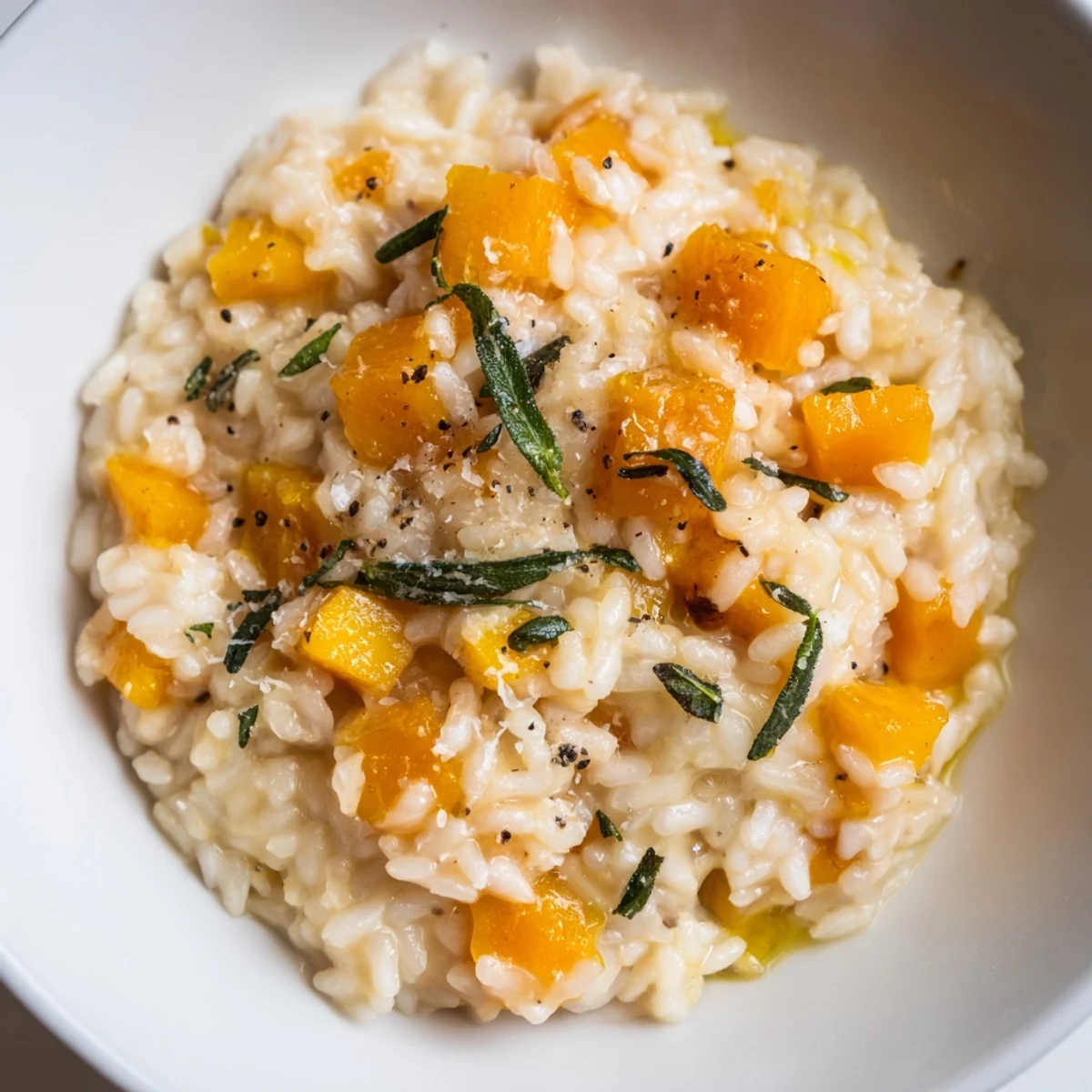
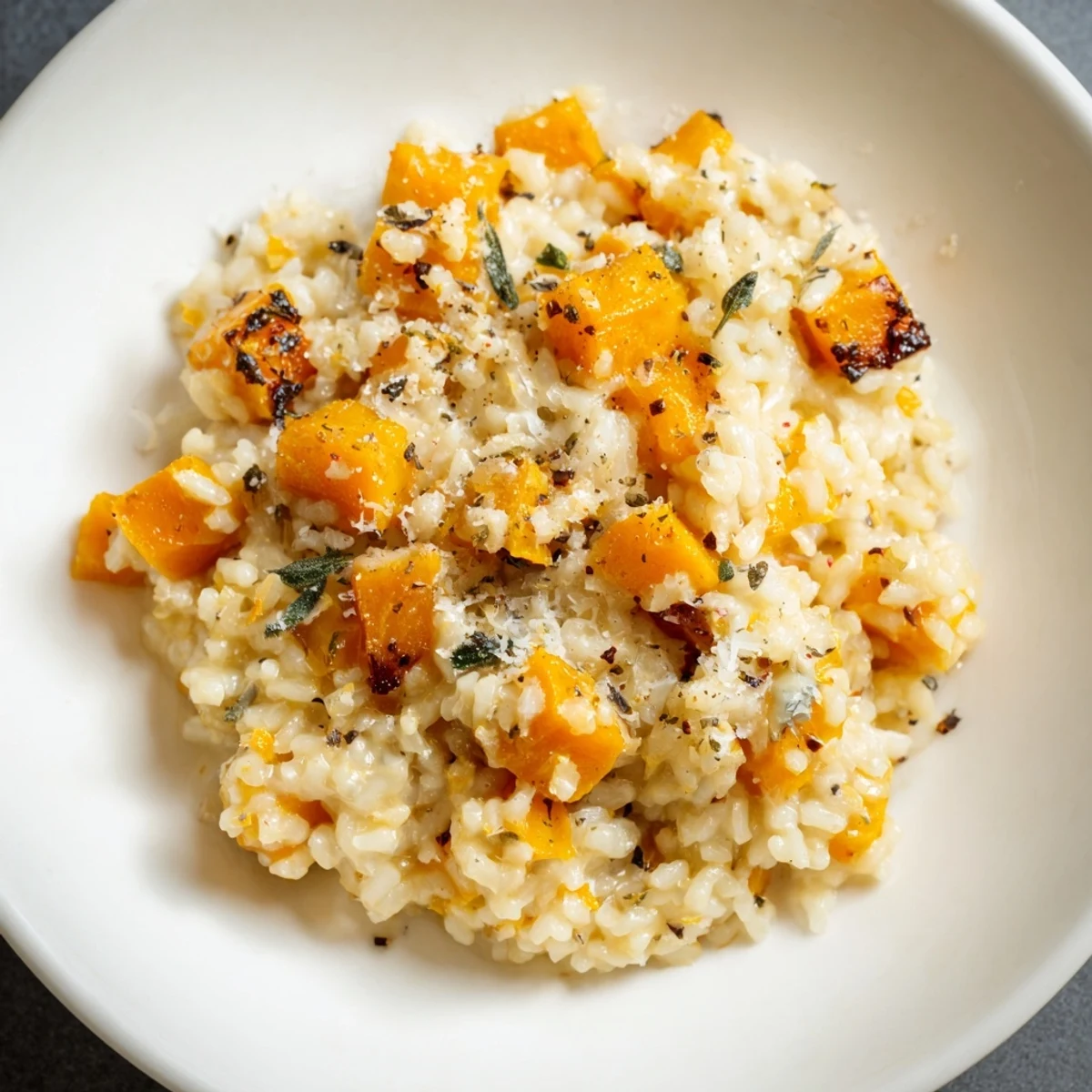
- Transfer to warm bowls or plates right away. Risotto waits for no one—it's best eaten at the moment it reaches perfection. Top with extra grated Parmesan and a few sage leaves for both flavor and beauty.
 Pin it
 Years later, I still think of that dinner and how risotto became the dish I make when I want to say something without words. It's the recipe I turn to when someone I love needs comfort, when I want to slow down, or when I simply need to remember that good food cooked with attention is its own kind of kindness.
The Art of Stirring Risotto
There's a rhythm to making risotto that I've come to cherish. The constant stirring isn't a chore—it's where the discipline and soul of this dish live. Each stir pulls starch from the rice grains, creating a creamy sauce without any cream. I've noticed that when I'm stressed or hurried, it shows in the risotto. But when I take a breath and settle into the process, when I let the wooden spoon become an extension of my hand, the rice tells me when it's ready. It's one of those rare cooking situations where being present and patient directly affects the outcome.
Making It Your Own
This risotto is beautiful as it is, but I love how adaptable it can be. I've made it with sautéed mushrooms stirred in at the end, adding an earthy richness that complements the squash. I've crisped pancetta on the side and let people sprinkle it on top for a savory contrast. I've even tried it with roasted chestnuts for a different kind of winter elegance. The base is strong enough to support these additions without losing itself. That's the mark of a well-developed recipe—it knows what it is, but it's generous enough to accommodate interpretation.
Pairing and Serving
This risotto wants company. A crisp white wine like Pinot Grigio sits beside it perfectly, the acidity cutting through the richness. A simple green salad dressed with lemon vinaigrette offers brightness and contrast. On quieter nights, I serve it alone with just extra Parmesan and sage, a thick slice of good bread on the side for soaking up every creamy bit. The four servings this recipe makes is deceptive—you'll find people coming back for more because risotto satisfies in a way that's hard to define.
- Serve in warm bowls immediately—cold dishes steal the magic from this recipe
- A little pool of the risotto on the plate is perfect; don't be afraid of generous portions
- Extra grated Parmesan and fresh sage at the table lets everyone finish their bowl exactly as they like it
 Pin it
 Winter squash risotto is the kind of recipe that teaches you something about cooking and about yourself. It slows you down, asks you to pay attention, and rewards you with something warm and profoundly nourishing. Make it, and I think you'll understand why I return to it again and again.
Recipe FAQs
- → What type of squash works best?
-
Medium-sized winter squashes like butternut or acorn provide ideal sweetness and texture when roasted.
- → Can I omit the white wine?
-
Yes, white wine adds depth but can be skipped or replaced with more vegetable stock.
- → How do I achieve creamy rice texture?
-
Gradually adding warm stock while stirring allows the starches to release, creating a creamy consistency.
- → Is this suitable for a vegetarian diet?
-
Yes, it uses vegetable stock and dairy ingredients, excluding meat or animal broths.
- → Can I make this gluten-free?
-
Using certified gluten-free stock ensures the dish remains free of gluten contamination.